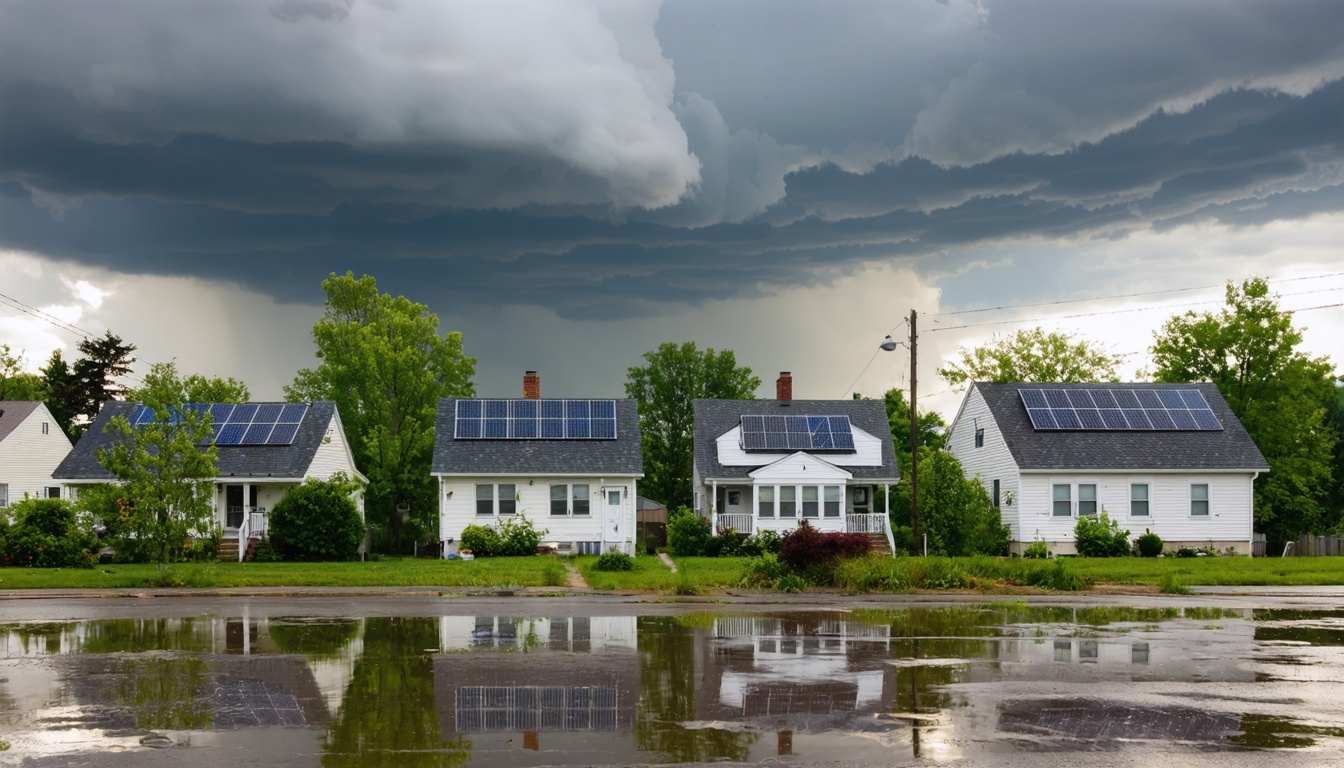
How Local Weather Shapes Solar Energy Decisions in Bridgeport, Connecticut
When evaluating solar energy options in Bridgeport, it is essential to consider the city's specific weather conditions. Factors such as cloud cover, snowfall, and temperature variations play a significant role in the efficiency and overall performance of solar panels. Bridgeport experiences a range of weather patterns throughout the year, which can influence solar energy production. The city encounters periods of cloudy skies, particularly in the winter months, which can reduce solar output. Snow accumulation during winter storms can also lead to temporary losses in energy production, as snow can obstruct solar panels until it melts or is removed. Conversely, the humid summers may offer clearer skies and longer daylight hours, potentially increasing solar energy generation during that season. Understanding these seasonal variations is crucial when assessing the potential contributions of solar power to household energy needs. In light of these factors, it is advisable to conduct a thorough analysis of how Bridgeport's climate may impact the efficiency and reliability of solar energy systems throughout the year. This analysis should include considerations of seasonal energy production fluctuations and the expected long-term performance of solar installations in response to local weather conditions.
The Role of Sunlight Hours in Solar Efficiency
Sunlight duration stands as a critical driver of solar panel performance in Bridgeport, Connecticut. With about 1,400 usable hours each year, you need to know how this impacts your residential solar system. It’s not as high as in Arizona, but Connecticut’s renewable energy programs and credits make solar installation a smart project. Melanie Bachman, Executive Director at the Siting Council, said the benefits include public health improvements and power for the electric grid. When deciding whether solar makes sense in CT, consider energy goals, service terms, utility company programs, open space, farmland, and the character of the town.
Seasonal Variability and Its Impact on Energy Production
Bridgeport receives approximately 1,400 usable sunlight hours annually; however, solar energy production is significantly affected by seasonal variations.
When evaluating solar installation for residential projects in Connecticut, it is important to consider the shorter daylight hours and the possibility of snow accumulation during the winter months, which can diminish system efficiency. For optimal results, residents can consult with Solar panel installers in Bridgeport to ensure their systems are installed correctly and efficiently.
Recent trends indicate that the state's energy objectives, related to credits, benefits, and public health, have adapted in response to these seasonal changes in solar production.
The longer daylight hours in summer tend to increase overall energy output from solar panels.
Nevertheless, land use considerations—such as the availability of farmland, forests, and open spaces—must also be taken into account when determining the feasibility of solar installations.
These environmental factors are acknowledged by the Council and its Executive Director, and they require thorough assessment during the planning process.
Understanding Cloud Coverage and Precipitation Patterns
Bridgeport's cloud cover has observable implications for the functionality of solar energy systems. The city reports an average annual cloud cover of approximately 60%, which often reduces the availability of direct sunlight. This diminished solar exposure can impact the efficiency of solar panels, potentially resulting in lower energy output compared to areas that experience more consistent sunlight.
Seasonal variability in cloud cover, particularly the increased prevalence of clouds during winter, further affects solar system performance. Users of solar energy should take these seasonal changes into account when evaluating their anticipated power generation, potential energy credits, and participation in solar incentive programs.
Moreover, localized weather conditions, such as rainfall and storm systems prevalent in Connecticut, can influence both the scheduling of solar panel installations and the operational efficiency of existing systems. Local officials recognize these weather-related factors as important elements in the considerations of residents interested in solar energy.
In summary, assessing the viability of solar energy in Bridgeport requires individuals to align their energy objectives with the region's specific climatic conditions and historical weather patterns. A comprehensive evaluation of cloud coverage and precipitation trends is essential for informed decision-making regarding investments in solar energy.
Land Use: Farmland, Forests, and Solar Site Selection
The selection of sites for solar panel installation in Bridgeport involves several important considerations that go beyond technical assessments. In Connecticut, there is an increasing demand for solar energy systems, particularly on farmland and forested areas, as the state works towards achieving a carbon-free electric grid.
While energy production is a primary factor in site selection, it is also important to acknowledge the potential impacts associated with these projects, such as wildlife displacement and the reduction of open spaces, as demonstrated by proposals like the one in East Windsor.
When evaluating suitable land types for solar panels—whether farmland, forests, or residential areas—several factors must be taken into account. These include economic considerations, the availability of tax credits, proximity to existing transmission lines, the potential for environmental benefits, and public health implications.
Collectively, these aspects, in conjunction with the specific characteristics of the town and its energy goals, should guide the site selection process to ensure a judicious balance between land use and the development of sustainable energy sources.
Regulatory Considerations for Solar Projects
The regulatory framework for solar projects in Bridgeport is primarily administered by the Connecticut Siting Council. This entity is tasked with reviewing and approving solar installations that have a capacity exceeding one megawatt. The Council, led by Executive Director Melanie Bachman, has final authority over these projects, which can limit the influence of local government entities, including First Selectmen.
In recent years, the Council has aimed to balance the goals of the state’s renewable energy initiatives with the concerns of local communities. Commonly raised issues include public health implications, noise pollution, and the visual impact of solar installations, especially those located in open spaces, forests, or agricultural areas.
While community stakeholders are given the opportunity to voice their perspectives, the outcomes of the Council's decisions often prioritize broader state objectives and logistical considerations, such as the capacity of transmission lines.
This situation underscores the intricate relationship between the promotion of renewable energy and the need to address specific community concerns within the regulatory approval process.
Financial Incentives Available for Bridgeport Residents
Bridgeport residents have access to various financial incentives aimed at promoting the adoption of solar energy. The Energy Conservation Loan Program in Connecticut offers low-interest financing up to $25,000 for solar installations, providing a structured way to manage the upfront costs associated with solar energy projects.
In addition, Connecticut's net metering system allows homeowners to earn credits for energy generated by their solar systems that exceeds their consumption. This excess energy can be fed back into the electric grid, thus helping to lower energy bills over time.
The Sales and Use Tax Exemption is another important financial consideration, as it eliminates sales taxes on solar projects, thereby reducing the initial investment necessary for homeowners.
Additionally, the Property Tax Exemption ensures that the increase in property value due to solar installations does not lead to an increase in property taxes, effectively shielding homeowners from potential tax liabilities related to their investment in solar technology.
On a federal level, homeowners can benefit from a tax credit that covers 26% of the installation costs for solar energy systems. This federal incentive supplements state-level programs, further diminishing the financial burden associated with adopting solar energy.
Overall, these combined incentives provide significant financial support for Bridgeport residents contemplating the switch to solar energy, making it a more economically feasible option for many homeowners.
Environmental and Community Impacts of Solar Development
Bridgeport's climate presents a favorable opportunity for solar energy development, with an annual average of over 1,400 hours of usable sunlight. When considering proposals for solar installations, it is critical to evaluate their effects on farmland, forests, and the character of the community.
Recent discussions led by Connecticut’s Center and Council have underscored the importance of finding a balance between reducing greenhouse gas emissions and preserving open spaces and agricultural land.
Local initiatives, including tax credits, are aimed at incentivizing the adoption of renewable energy. However, it remains important to address ongoing public health concerns and the potential impact on service provision, as noted by both the First Selectman and the Executive Director.
The site selection process, particularly in areas like Plantation Road, requires careful scrutiny to ensure that all factors are taken into consideration. Involving the community in this process is essential, as residents seek a significant role in the decision-making regarding solar projects that may affect their neighborhoods.
Conclusion
Understanding the impact of Bridgeport's weather on solar energy efficiency can facilitate informed decisions regarding solar adoption. The amount of sunlight received throughout the year, including seasonal variations and weather patterns such as cloud cover and precipitation, plays a critical role in optimizing solar panel performance and placement. Local regulatory frameworks, financial incentives offered by the state or federal governments, and potential environmental implications should also be taken into account when assessing the viability and sustainability of a solar investment. It is important to remain aware of weather variability to effectively manage expectations and maximize the advantages of solar energy within the context of advancing community goals for renewable energy solutions.