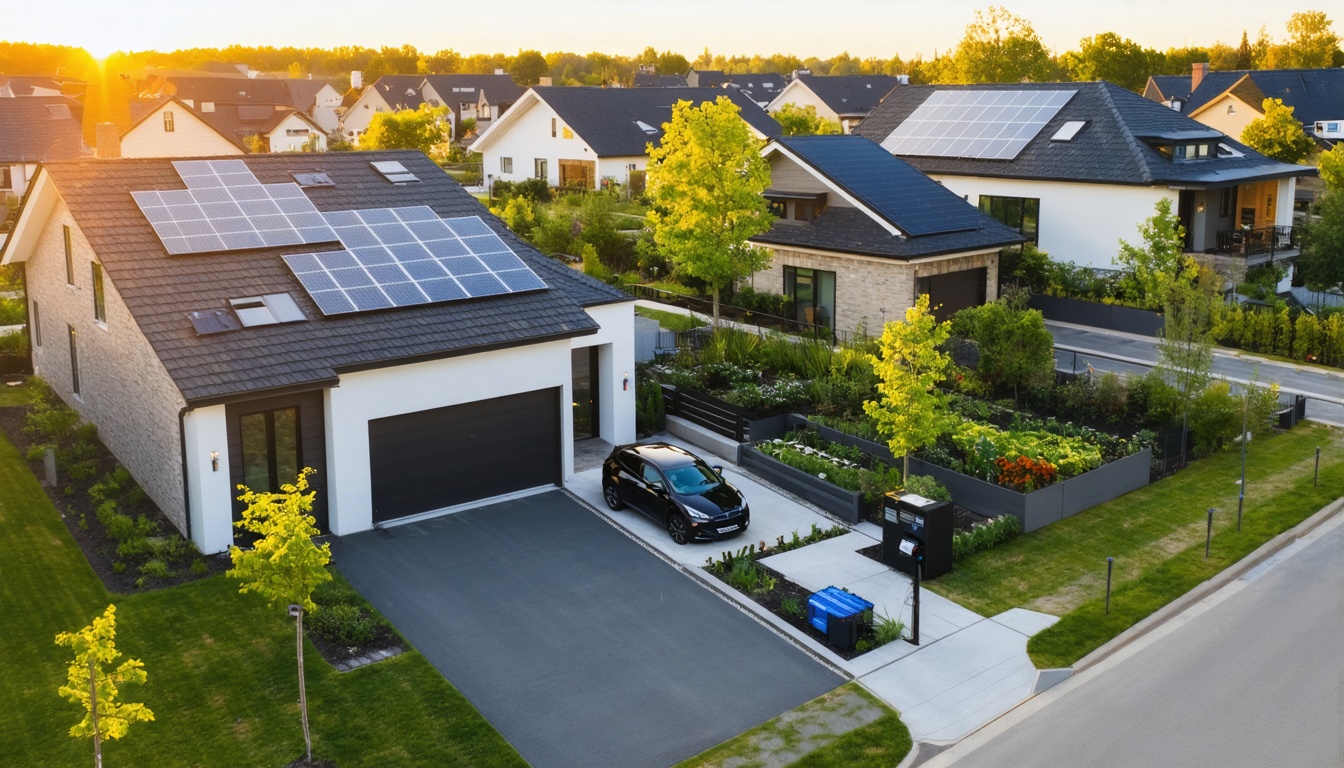
How Solar Energy Helps Households Build a More Sustainable Future
Solar energy is increasingly recognized as a viable option for households aiming to enhance sustainability. The installation of solar panels can lead to a reduction in utility expenses, contribute to environmental preservation, and potentially increase the value of a property. In recent years, advancements in technology and rising adoption rates have made solar power more accessible for homeowners. The financial benefits of solar energy primarily stem from the decreased reliance on conventional energy sources, which can lead to significant savings on electricity bills. Furthermore, various incentives and rebates offered by governments can offset initial installation costs, making solar installations more economically feasible. From an environmental perspective, solar energy is a renewable resource that helps decrease greenhouse gas emissions associated with fossil fuel consumption. As households transition to solar power, the cumulative effect can contribute to a lower carbon footprint on a community and national level. However, the transition to solar energy is not without its complexities. Homeowners must consider factors such as the initial investment, the type of solar technology to use, and potential zoning regulations or permits required by local authorities. Additionally, while the performance of solar panels is generally reliable, they are influenced by geographic location, sun exposure, and weather conditions, which can affect the overall efficiency and energy production. In summary, adopting solar energy offers both financial and ecological advantages for households. Nonetheless, it is essential to weigh the challenges and make informed decisions regarding the implementation of solar technology.
The Environmental Benefits of Residential Solar Power
The adoption of residential solar power presents an opportunity for households to lessen their environmental impact. Solar panels convert sunlight into electricity without emitting greenhouse gases during their operation, contributing to the overall reduction of carbon emissions associated with energy production. This shift in energy sourcing aids in the broader efforts to combat climate change by decreasing reliance on fossil fuels, which have known environmental drawbacks and price instabilities.
In addition to environmental benefits, residential solar systems can enhance the stability of the electrical grid. When homeowners install solar panels, they have the capability to feed excess energy back into the grid, which can help to lower energy costs overall. Homeowners may experience financial advantages, including reduced monthly energy bills attributable to the lower cost of generating electricity through solar power.
It is important to highlight that while solar energy systems do not produce direct emissions while operating, there are considerations related to their lifecycle, including the manufacturing and recycling of solar panels.
Emerging technologies in panel recycling reflect a growing commitment to sustainable energy practices and aim to promote more environmentally responsible development in the field. This progress supports wider access to clean energy solutions while considering the overall impact on sustainability.
Key Steps in the Home Solar Panel Installation Process
The installation of solar panels follows a methodical process that emphasizes safety and efficiency. The first step involves a comprehensive assessment of the property, which includes evaluating the roof's sunlight exposure, structural integrity, and available space for solar photovoltaic (PV) panel installation. Homeowners in Virginia should also consider local regulations and sunlight conditions, which can be explored further at Solar Panel Installation in Virginia.
After the initial evaluation, the installation phase entails positioning the solar panels to achieve optimal orientation for energy capture. It is important to securely attach the panels to the roof using robust brackets to ensure their stability.
An inverter is a vital component of the solar energy system, as its primary function is to convert the direct current (DC) electricity generated by the panels into alternating current (AC), making it suitable for household consumption.
Once the solar panel system is operational, any surplus electricity generated can be redirected to the power grid. This practice contributes to decreased reliance on traditional energy sources and may provide financial advantages through net metering, which allows solar energy producers to receive compensation for the excess power supplied to the grid.
Additionally, the adoption of solar energy systems supports efforts to decrease greenhouse gas emissions and aligns with moving towards sustainable energy solutions.
For further information or questions, please feel free to reach out.
Cost Savings and Economic Advantages for Households
Investing in solar power presents various financial advantages for households in both short-term and long-term contexts. The installation of solar panels can result in an estimated reduction of approximately 30% in electricity bills. Since 2010, the cost of solar technology has declined by more than 70%, making solar photovoltaic panels more affordable and accessible for a broader demographic of homeowners.
Financial incentives such as tax credits are also available, potentially offsetting installation costs by up to 26%. This reduction in upfront financial investment can make solar panel installation more feasible for many households.
Additionally, homeowners have the opportunity to sell excess electricity back to the grid, which can generate supplementary income.
The shift to solar power is not only economically advantageous but also contributes to reduced carbon emissions linked to energy production. The use of solar energy can help mitigate the volatility of energy prices over time, thereby lessening one’s vulnerability to market fluctuations.
Furthermore, such installations can enhance property value, adding an economic dimension to the investment decision.
In summary, the transition to solar energy offers the potential for financial savings while also aligning with broader environmental goals.
Technological Developments in Solar Energy Systems
Recent advancements in solar energy technology have had a significant impact on the efficiency and application of renewable power in residential environments. Modern solar panels and photovoltaic cells demonstrate improved energy conversion rates, generating electricity with reduced emissions, which contributes to a lower environmental impact.
The adoption of building-integrated photovoltaics (BIPV) allows for the integration of energy generation with architectural design, offering practical solutions in urban areas where space constraints are prevalent.
Enhancements in energy storage systems have provided homeowners with the ability to store excess electricity generated during daylight hours for later use, thus improving energy autonomy and mitigating the effects of fluctuations in grid energy prices. Additionally, the development of perovskite solar cells shows promise for potentially lowering costs relative to traditional silicon-based panels, making solar energy more accessible to a wider audience.
Moreover, the growing use of electric vehicles and advancements in solar panel recycling processes contribute positively to the sustainability of solar energy systems.
Collectively, these technological advancements enhance the practicality and ecological feasibility of solar energy adoption, signifying a notable progression towards renewable energy solutions. Ongoing research into these technologies will likely continue to clarify their long-term effects on domestic energy use and broader environmental issues.
Addressing Challenges in Adopting Solar Solutions
Many households recognize the benefits of solar energy; however, there are several practical challenges that can hinder its widespread adoption. High installation costs, alongside fluctuating prices for solar panels and photovoltaic technology, can discourage potential users, despite the existence of tax credits aimed at reducing these expenses.
Additionally, the current limited capacity for energy storage, combined with the inherent variability in sunlight availability, can impact the reliability of electricity generation from solar sources.
Integrating excess energy produced by solar systems into the existing electrical grid typically requires substantial infrastructure upgrades, which can complicate implementation.
Concerns also exist regarding the recycling of solar panels and the environmental implications associated with the manufacturing and disposal processes in this sector.
To achieve a more sustainable energy future, it is important that ongoing developments in policy, technological innovation, and improving access to clean, zero-emissions energy sources continue to evolve.
Conclusion
Choosing solar energy for residential use can result in lower electricity costs while also reducing one's environmental footprint. Solar energy systems contribute to improved air quality by reducing reliance on fossil fuels, which are major sources of air pollution. Additionally, the adoption of solar technologies can stimulate local economies through job creation in installation and maintenance, as well as by supporting local businesses in related sectors. Financial incentives, such as tax credits and rebates, can further enhance the economic feasibility of solar energy systems for homeowners. However, it is important to acknowledge that there are challenges associated with solar energy adoption, including the initial investment cost and variations in sunlight availability based on geographic location. Recent advancements in solar technology, such as improved efficiency rates and battery storage solutions, have worked to address these issues, making solar energy systems more accessible to a wider audience. In summary, solar power presents a practical and financially advantageous option for households that seek to participate in a more sustainable energy paradigm, benefiting both individual homes and the community at large.