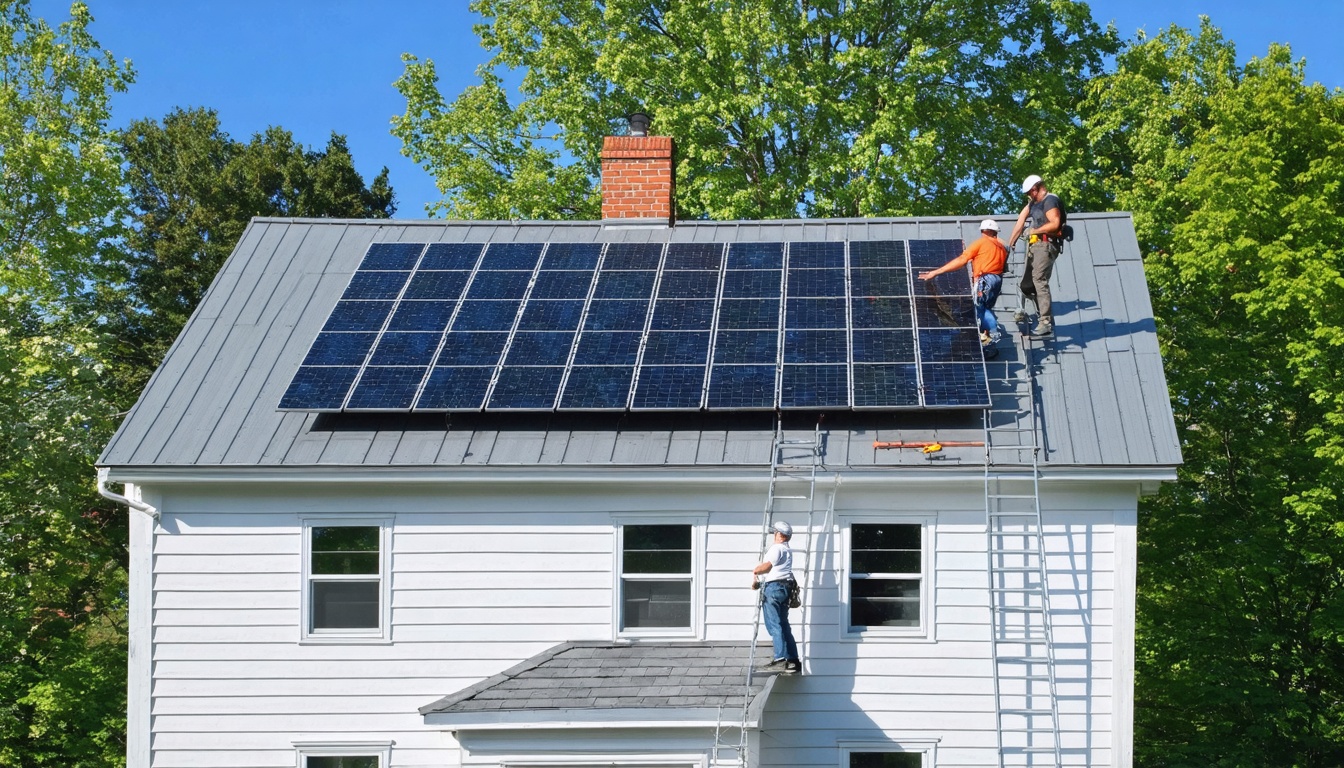
Solar Ready Roof Upgrades That Matter for Homes in Pennsylvania
Considering solar readiness for your home in Pennsylvania is a prudent step for those looking to enhance energy efficiency and potentially increase property value. A solar ready roof can facilitate the installation of solar panels in the future, allowing homeowners to take advantage of renewable energy and potentially reduce energy bills. When assessing a roof's suitability for solar panels, certain features should be prioritized. These include the roof's orientation, angle, and material, as well as its structural integrity to support solar installations. Additionally, ensuring that the roof is free from obstructions such as chimneys or overhanging trees can optimize solar exposure. In Pennsylvania, there are various local incentives that may be available for solar installations, including tax credits and rebates. Homeowners should investigate these opportunities as they can reduce the upfront costs associated with solar panel installation. Ultimately, when planning a solar ready roof, it is advisable to consult with professionals who can provide tailored recommendations based on specific roofing conditions and future solar energy goals.
Understanding the Value of Solar Ready Roofs in Pennsylvania
When planning for solar ready roofs in Pennsylvania, careful design and implementation from the initial stages can result in significant cost savings and support the transition to renewable energy sources.
Research suggests that a solar ready design could decrease future installation expenses by approximately 60%, which may contribute to the state's clean energy objectives. For homeowners exploring solar readiness, Solar Roofing Services can provide tailored solutions to maximize these savings. Recent legislative measures have highlighted the importance of integrating designated spaces for solar panel installation in new warehouse constructions and roofs for community and commercial buildings. This strategy aims to optimize the economic and environmental advantages of utilizing solar energy.
Coverage from the media and information provided by solar installers frequently discuss both the financial aspects and sustainability factors linked to solar energy adoption.
It is important for homeowners and businesses to be aware of available national tax credits and potential financial incentives related to renewable energy initiatives.
For a thorough analysis of the costs involved, advantages of solar energy, and any potential privacy implications, it is recommended to consult with qualified professionals and familiarize oneself with credible resources in the field.
Key Design Features for Future Solar Integration
An informed approach to roof design is essential for facilitating future solar installations. In Pennsylvania, considering the slope and orientation of the roof can significantly impact solar panel exposure and, consequently, the efficiency of the solar energy system.
It is advisable to allocate adequate space for panel installation and to reinforce the structural integrity of the roof to accommodate the added weight and installation requirements. These factors are important for enabling effective installation when a decision is made to pursue renewable energy solutions.
During the construction phase, incorporating appropriate wiring provisions and conduits can mitigate future complications and costs associated with solar panel installation. Homeowners should also stay informed about financial incentives related to solar energy, such as tax credits, which can be accessed through reputable national media sources.
Recognizing the potential benefits of solar energy integration, both for individual homeowners and the community, is critical for making well-informed decisions regarding energy options.
For further inquiries regarding privacy policies, please contact us directly.
Selecting Compatible Roofing Materials
When selecting roofing materials in Pennsylvania, it is important to evaluate their compatibility with potential future solar panel installations. Suitable options include asphalt shingles, metal roofing, and concrete tiles. These materials typically offer favorable characteristics such as lightweight construction, durability, and compatibility with solar panel and photovoltaic (PV) system designs.
In addition to these considerations, the roofing materials must demonstrate resilience against the prevalent weather conditions in Pennsylvania, including snow accumulation and heavy rainfall. This resilience is crucial for ensuring long-term performance and sustainability of the roofing system.
Compliance with local building codes and national standards is another critical aspect when selecting roofing materials. Additionally, specific requirements established by solar panel installers must be taken into account.
Engaging in thorough research, such as viewing educational videos and reading pertinent articles, can yield valuable information regarding the advantages, costs, and potential tax incentives associated with solar panel installations. By making informed decisions, homeowners can effectively protect their investments while simultaneously supporting renewable energy initiatives within their communities.
Slope, Orientation, and Optimal Placement
The slope and orientation of a roof are critical factors influencing solar energy production in Pennsylvania. These elements play a key role in determining the amount of sunlight that solar photovoltaic (PV) systems can capture throughout the year. In Pennsylvania, the optimal slope for solar panel installation generally ranges between 30 to 45 degrees. This specific angle is associated with improved efficiency of PV panels, as it allows for maximum sunlight exposure.
The orientation of the roof is also significant; south-facing roofs are considered most beneficial for solar energy capture, receiving direct sunlight for most of the day. However, roofs facing east and west can still provide adequate levels of solar energy, although they may be less efficient compared to installations on south-facing roofs.
In addition to considering the angle and orientation, careful planning and thoughtful placement of solar panels can help achieve cost-effective installations and minimize shading issues. It is advisable for property owners to engage with solar energy installers early in the planning process. Early consultation with professionals can enhance the sustainability of buildings and optimize their potential for renewable energy generation.
For individuals interested in solar energy in Pennsylvania, accessing local solar news resources and understanding the available tax credits can offer valuable insights. Consulting with a certified installer can also aid individuals in navigating the installation process effectively.
Pre-Installed Wiring and Electrical Considerations
Considerations regarding wiring and electrical plans are crucial prior to the installation of solar panels. Addressing these factors in the early stages can facilitate future upgrades, minimize disruptions, and ensure compliance with local codes.
In Pennsylvania, incorporating pre-installed wiring and conduits during the building or design phase can help make properties more solar-ready, thereby streamlining the installation process for solar panels later on.
Collaborating with experienced solar installers in Pennsylvania can enhance the integration of solar technology with existing electrical systems. This collaboration may lead to more favorable cost structures and support community initiatives related to clean energy.
For individuals interested in the financial aspects of solar installation, it is important to stay informed about updates on tax credits and regulatory developments through reliable media sources that focus on national and renewable energy issues.
These resources can offer valuable insights into industry standards and policies, assisting homeowners and businesses in making informed decisions regarding solar energy investments. For additional information or specific inquiries, direct contact is encouraged.
Reinforcing Roof Structure for Solar Panels
The installation of solar panels requires careful evaluation of the roof's structural integrity, as the additional weight from the panels may create challenges if the roof lacks adequate reinforcement. In Pennsylvania, it is critical to assess the strength of the existing roof structure prior to installing photovoltaic (PV) systems.
Qualified installers typically examine the condition of rafters and trusses, especially in older buildings or those located in communal areas, to determine their capacity to support the weight load imposed by solar panels.
A comprehensive design review is necessary not only to address the energy requirements of solar power systems but also to identify and mitigate possible issues during installation and subsequent operation. Consulting qualified professionals from the beginning can result in cost-effective solutions and provide essential insights into applicable building codes, national standards, and the advantages of renewable energy sources.
For further information, various resources such as instructional videos and articles can provide additional context on the installation process and considerations.
It is advisable for interested individuals to consult with industry experts for detailed guidance and support regarding roof reinforcement for solar panel installation.
Financial Advantages and Incentives for Homeowners
Financial planning is critical for homeowners in Pennsylvania who are contemplating upgrades to solar-ready roofs. One key benefit of preparing a roof for photovoltaic (PV) panels during new home construction is the potential decrease in installation costs. Studies suggest that homeowners could save approximately 60% on panel installation compared to retrofitting an existing roof, making it a financially prudent decision.
In addition, Pennsylvania provides various financial incentives, including tax credits and rebates, aimed at lowering the overall costs associated with solar energy systems. These programs are intended to facilitate a more economical transition to renewable energy for homeowners.
Furthermore, enhancing a roof to accommodate solar installations can result in an increase in property value. This consideration not only boosts the immediate value of the home but also affords homeowners greater flexibility regarding their energy choices in the future.
It is advisable for homeowners to consult with local solar installers to explore financing options tailored to their specific community requirements. Such options can help to optimize the use of renewable energy incentives, yielding additional financial benefits.
Homeowners can also access resources such as media reports and educational videos that address local issues related to solar energy. Staying engaged with current news can equip homeowners with valuable insights into ongoing developments in the sector.
For individuals seeking further information, it is recommended to reach out for more targeted assistance, ensuring that all communications adhere to relevant privacy policies.
Environmental and Energy Independence Benefits
Preparing your roof for solar installations is a significant step toward enhancing energy independence and addressing environmental responsibilities. In Pennsylvania, a solar-ready design allows homeowners to utilize renewable energy, which can reduce reliance on fossil fuels and promote cleaner energy production.
Data from Media Hill and various national reports indicate that the transition to solar panels can potentially decrease greenhouse gas emissions by around 42%.
Additionally, implementing a solar-ready roofing system can lead to reduced long-term energy costs and aligns with Pennsylvania's sustainability initiatives. The state has set a goal of achieving 8% solar generation by 2030, and the contributions of individual homeowners can play a role in meeting this target.
Homeowners are encouraged to explore options for solar panel installation, including the possibility of tax credits and available installers. Further information regarding these topics is accessible through relevant resources.
Planning for Minimal Maintenance and Long-Term Efficiency
Investing in a solar-ready roof involves careful planning beyond the choice of solar panels. It requires strategic considerations to ensure that the system operates efficiently with minimal maintenance over time. In Pennsylvania, it is crucial to use durable materials and implement thoughtful design principles to maximize the benefits of solar panels and photovoltaic (PV) systems for both the community and long-term sustainability.
The quality of solar panel installation is a key factor in minimizing future issues and associated costs. Proper installation practices can help prevent common problems that may arise. Additionally, regular maintenance, including periodic cleaning of the panels, is necessary to sustain their performance.
It is also important to ensure appropriate structural reinforcement during the initial construction phase to reduce the likelihood of needing retrofitting later, which can be complex and expensive.
Recent developments in clean energy technologies have attracted national attention and led to tax incentives and credits for homeowners. Therefore, it is beneficial for potential investors to seek information from credible sources such as educational materials, instructional videos, and input from certified installers. This approach can enhance decision-making regarding investments in solar energy systems.
For more information, please feel free to contact us.
Partnering with Solar Professionals and Accessing Resources
Engaging with solar professionals early in the planning stages is recommended for individuals considering a solar-ready roof in Pennsylvania. Collaborating with certified solar installers helps ensure that building designs are conducive to future photovoltaic (PV) panel installation, which can optimize energy production and potentially reduce installation and operational costs.
These professionals are knowledgeable about local electrical regulations, tax incentives, and the overall benefits of clean energy. Utilizing national resources, such as the National Association of Home Builders’ (NAHB) sustainability toolkit, can provide additional insights and best practices relevant to the integration of solar technology.
Educational materials, including informative videos and news articles, can further inform stakeholders about the latest developments in the solar sector.
During the design phase, it is advisable to identify and designate spaces for potential solar arrays. This proactive approach can facilitate smoother planning and implementation procedures.
Additionally, reviewing case studies from local communities can provide concrete examples of solar integration and its impact on property values and community sustainability.
For more information, including privacy policy details or consultancy on renewable energy, please feel free to reach out.
Conclusion
Choosing a solar ready roof for your home in Pennsylvania can provide several practical benefits. A solar ready roof facilitates the installation of solar panels, making the transition to solar energy more straightforward when the homeowner decides to do so. Additionally, properties equipped with solar ready roofs may experience an increase in value, as potential buyers often look favorably upon homes that support renewable energy initiatives. Upgrading to a solar ready roof can also lead to reduced energy costs over time, primarily due to the potential for generating clean energy. Furthermore, solar ready roofs typically utilize durable materials that require less maintenance than traditional roofs, resulting in better long-term efficiency. In Pennsylvania, there are various local incentives and financial options available that support the adoption of solar energy. These incentives may include tax credits, rebates, and financing programs that make the investment in solar energy more feasible for homeowners. In summary, selecting a solar ready roof can be a strategic choice for Pennsylvania homeowners, allowing for easier integration of solar energy systems in the future, while also enhancing property value and offering potential cost savings.